

Locomobile was the luxury make of Durant Motors, acquired in 1922 and built at Bridgeport, Connecticut until 1929. This reference covers the cars built while Locomobile was under Durant control.
On this page: History · Models · Literature · Known cars
History
Locomobile began in 1899 selling a steam-powered runabout based on the Stanley brothers’ steam car design. It sold steam cars until 1903, when it switched to gasoline-powered cars, and was successful in the high-end luxury market until 1920, when its financial troubles began.
The Locomobile Company was placed in receivership on February 1, 1922, and on July 28, 1922 Durant was the sole bidder at the receivership sale; the Locomobile Company of America Inc. was established. Durant positioned Locomobile as the most expensive car in the Durant Motors line. Locomobile production continued until 1929. The Locomobile division also directed production of Mason Road King trucks.
Models
1925 Locomobile JR-8

1925 Locomobile JR-8 Brougham Roadster

1925 Locomobile JR-8 Roadster
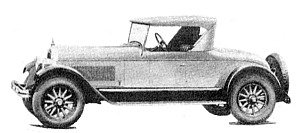
Special features
Body styles and prices
| Body style | Price |
|---|---|
| Brougham | $1785 |
| Roadster | $2150 |
| Sedan | $2285 |
| Touring | $1785 |
Serial number range
unknown
Full specifications, 1925 Locomobile JR-8
| Item | Specification |
|---|
References: .
1928 Locomobile 8-70
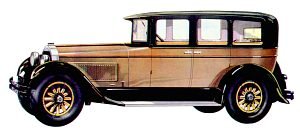
Body styles and prices
| Body style | Price |
|---|---|
| Brougham | $2100 |
| Coupe | $2100 |
| Sedan | $2100 |
| De Luxe Brougham | $2550 |
| De Luxe Sedan | $2550 |
Serial number range
6793 and up
Full specifications, 1928 Locomobile 8-70
| Item | Specification |
|---|---|
| Engine | Eight cylinders in line; bore 2-7/8″; stroke 4-3/4″; displacement 246.7 cubic inches; S.A.E. H.P. 70 at 3,000 r.p.m. Nelson Bohn aluminum alloy pistons with Invar steel strut; this piston has the lightness of aluminum alloy design but the Invar steel strut controls the diameter under expansion enabling close and uniform clearances to be held between the piston and cylinder. Drop forged, heat treated connecting rods. |
| Cylinders | Cast en bloc; crankcase has strongly ribbed sections; divided below center to secure very deep section for extreme rigidity. |
| Valves | Located at side in cylinder; silchrome steel. |
| Crankshaft | Drop forged heat treated steel; very large bearings and cheeks to insure stiffness; supported by five bearings. Lanchester vibration damper used on front end to ensure freedom from vibration. |
| Crankshaft Bearings | Five, large diameter, babbitt lined. |
| Camshaft | Supported on six bronze bearings; camshaft hardened and ground. |
| Camshaft Drive | This is by silent chain with provision for tightening to insure continued silence of action over long periods oftime. |
| Engine Lubrication | Full pressure feed by gear pump through strainers to main and connecting rid big end bearings. |
| Cooling System | Honeycomb type radiator with extra large frontal area. 18″ four blade fan. Centrifugal pump driven in conjunction with fan by V-belt. belt has prvisions for tightening. |
| Gasoline Supply | Stewart vacuum system, gasoline tank located at rear of frame, three point suspension protected by steel cover and cross frame; electric gasoline gauge mounted on instrument board. |
| Carburetor | Carburetion by Schebler carburetor with special manifold design and carefully worked out hot spot design. |
| Clutch | (Unit with engine). Single plate, heavy duty, dry disc type; easily adjustable to compensate for wear. |
| Transmission | Three speeds forward and one reverse; transmission lock located at base of gear shift lever; gear shift knob very conveniently located at right of steering wheel. |
| Drive | Drive from transmission to rear axle through two Universal Joints and light tubular Propellar Shaft greatly enlarged through center portion to prevent whip at high speeds; torque and brake reaction taken through rear springs which are mounted in rubber. |
| Front Axle | Reverse Elliott type; “I” Beam; tapered roller bearings. |
| Rear Axle | Semi-floating type; ball and tapered roller bearings throughout. |
| Steering Gear | Special steering gear with patented Ross cam and trunnion construction with low ratio to facilitate steering with balloon tires. |
| Brakes | Internal expanding, three-shoe brakes of Bendix Perrot type on all four wheels; 12″ in diameter, 1-3/4″ wide, total braking surface 68 square inches on each wheel; brakes equalized between front and rear pairs; foot pedal operates brakes on all four wheels; hand lever operates brakes on rear only. |
| Frame | Pressed steel channel, seven inches deep, two inches wide, flange 5/32″ thick, six extremely heavy and rigid cross members to insure freedom from body weave. |
| Chassis Lubrication | Reduced to a minimum by oilless bushings and rubber shock insulators, Zerk lubricators used at few points requiring lubrication. |
| Springs | Front 38″ over all long by 2″ wide, semi-elliptic type. Rear 60″ over all long by 2″ wide, semi-elliptic type. All springs mounted on rubber shock insulators eliminating squeaks and wear and care of shackle bolts, also adding greatly to riding comfort. |
| Wheels | Artillery type standard equipment. |
| Tires | Balloon cord tires, heavy duty type, six ply 31 x 6. |
| Electrical System | Delco Remy starting, lighting and igntion with 142 ampere battery; six-volt system. Generator has third brush control and is driven by silent chain. Starting motor located at the rear; operates through Bendix drive with flywheel. Distributor — semi-automatic device located on top of generator. |
References: 1933 Branham Automobile Reference Book, p. 152; original Locomobile literature, A-28-1202.
Locomobile models built under Durant
| Model | Years built |
|---|---|
| 48 | 1922–1929 |
| 66 (Junior Eight, 8-66) | 1925–1927 |
| 70 (8-70) | 1927–1929 |
| 80 (8-80) | 1927–1929 |
| 86 (8-86) | 1929 |
| 88 (8-88) | 1929 |
| 90 | 1926–1929 |
| Junior Six | 1926 |
Sales literature
Literature known to the club. Click a picture to enlarge it.
Sales brochures and folders
1922
Locomobile 1922 sales literature, A-22-1201
1924
Locomobile 1924 sales literature, A-24-1201
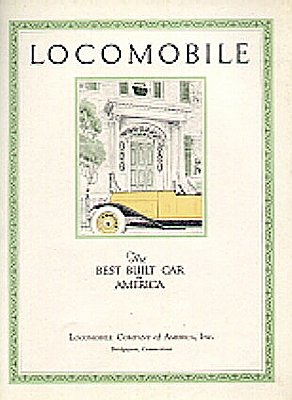
Locomobile 1924 sales literature, A-24-1202

Locomobile 1924 sales literature, A-24-1203
1926
Locomobile 1926 sales literature, A-26-1201

Locomobile 1926 sales literature, A-26-1202

1927
Locomobile 1927 sales literature, A-27-1201

Locomobile 1927 sales literature, A-27-1202
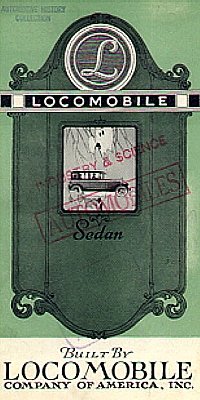
Locomobile 1927 sales literature, A-27-1203
1928
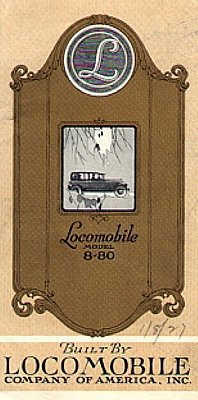
Locomobile 1928 sales literature, A-28-1201
Locomobile 1928 sales literature, A-28-1202

Locomobile 1928 sales literature, A-28-1203
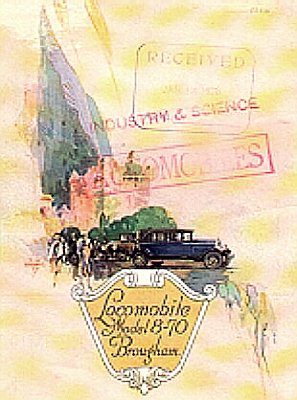
1929
Locomobile 1929 sales literature, A-29-1201
Instruction and owner’s manuals
1926
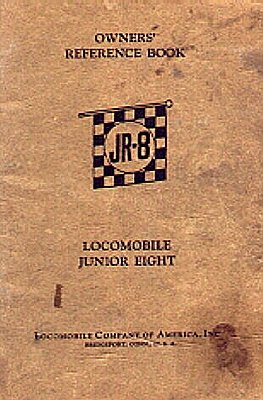
Locomobile 1926 instruction manual, C-26-1201
Known surviving cars
| Year | Model | Body style | Car number | Engine number |
|---|---|---|---|---|
| 1919 | 48 | Sportif | 15157 | 11993 |
| 1925 | 66 | Touring | 1993 | 8P-2217 |
| 1927 | 8-80 | 4-door sedan | CF-1192 |
Registry cars in detail
1919 Locomobile 48 Sportif 15157
Upper Body Color: green; Lower Body Color: green; Fender Color: green; Pinstripe Color: red; Wheel Color: natural; Wheel Type: Wood; Original Colors?: unknown; Engine number: 11993; Location: Wyoming.
1919 Locomobile 48 Sportif 15157 (registry photo 1)
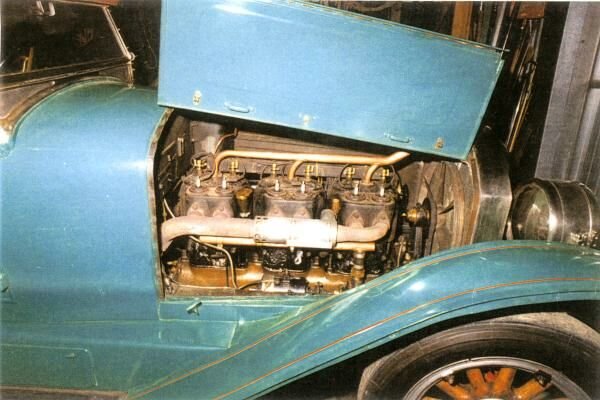
1919 Locomobile 48 Sportif 15157 (registry photo 2)
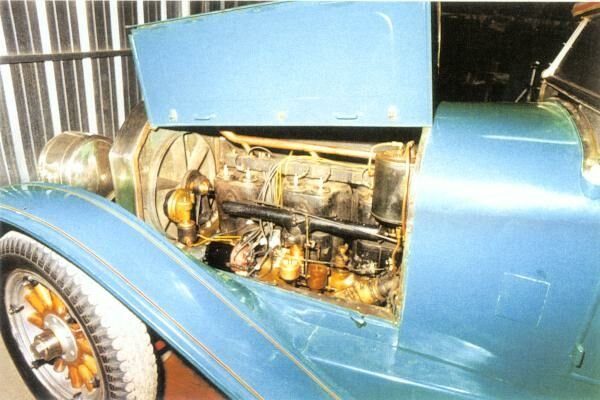
1919 Locomobile 48 Sportif 15157 (registry photo 3)
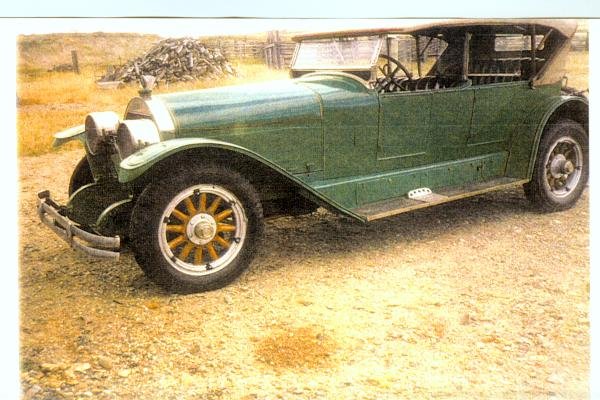
1919 Locomobile 48 Sportif 15157 (registry photo 4)

1919 Locomobile 48 Sportif 15157 (registry photo 5)
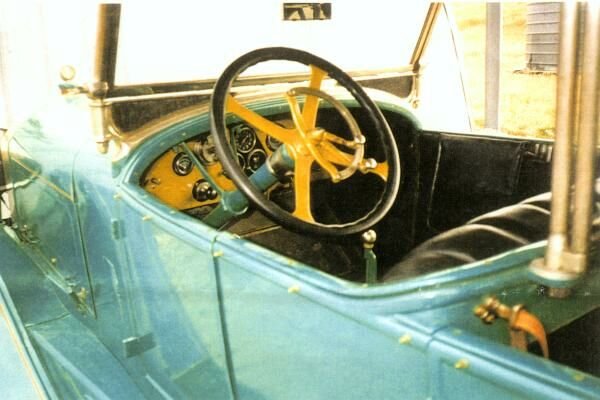
1919 Locomobile 48 Sportif 15157 (registry photo 6)
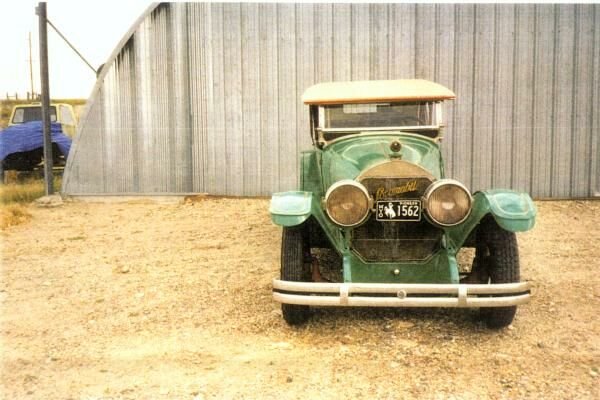
1919 Locomobile 48 Sportif 15157 (registry photo 7)
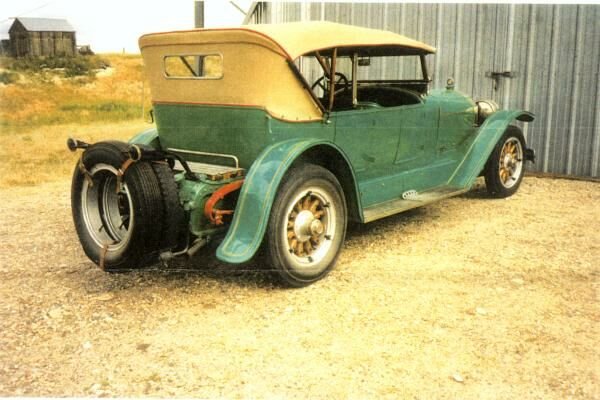
1919 Locomobile 48 Sportif 15157 (registry photo 8)
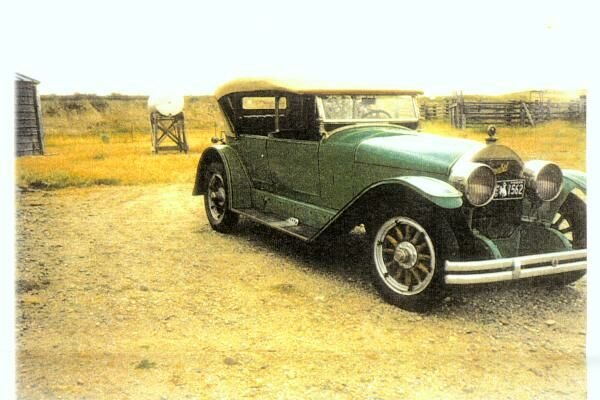
1925 Locomobile Junior 8 Touring
Upper Body Color: dark green; Lower Body Color: light green; Fender Color: black; Wheel Color: white; Wheel Type: wire (originally wood); Original Colors?: yes; Engine number: 8P-2217; Location: United Kingdom.
1925 Locomobile Junior 8 Touring (registry photo 1)

Do you own a Locomobile, or know of one? Please contact one of our technical advisors so it can be added to the registry. Owners’ names are not published.
Related pages
Sources: 1933 Branham Automobile Reference Book, pp. 151–154; G. N. Georgano, The Complete Encyclopedia of Motorcars; Jeffrey I. Godshall, “Locomobile: Bridgeport’s Beautiful Beast”, Automobile Quarterly vol. XXII no. 4; club registry records.