

Fact sheet for the 1927 Star Model M, from the club’s model catalog: body styles and prices, serial numbers, specifications and period illustrations. See the Star overview for the whole Star line.
Special features
- The motor won the 1926 Yosemite Economy Run (29.09 miles per gallon)
- Bodies are finished in polished lacquer.
- Radiator shells are heavily nickeled on copper.
- Regular equipment of closed bodies includes rear vision mirror, automatic windshield wiper, robe rail and balloon tires.
Body styles and prices
| Body style | Price |
|---|---|
| Coach | $675.00 |
| Convertible Roadster | $550.00 |
| Coupe | $650.00 |
| Sedan | $765.00 |
| Touring | $550.00 |
| Chassis | $470.00 |
Prices: 1927 prices, US dollars, f.o.b. Lansing.
Period illustrations

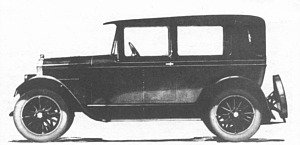
1927 Star M Coach, factory illustration
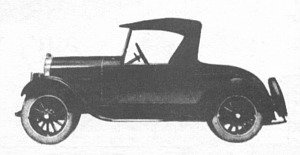
1927 Star M Convertible Roadster, factory illustration
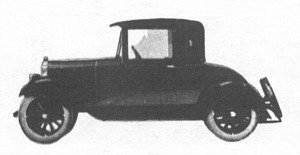
1927 Star M Coupe, factory illustration
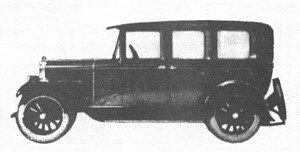
1927 Star M Sedan, factory illustration
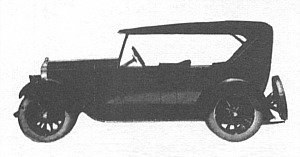
1927 Star M Touring, factory illustration
1927 Star M Chassis with Closed Cab, Covered Express Body, factory illustration
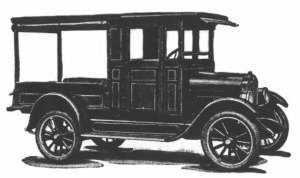
1927 Star M Chassis with Closed Cab, Panel Body, factory illustration

Serial numbers
- C-380000 to C-414999
- E-380000 to E-414999
- L-380000 to L-414999
- T-380000 to T-414999
The letter prefix shows the assembly plant: C Oakland, E Elizabeth, L Lansing, N Long Island City and T Leaside (Toronto).
More on the Star Auto Serial Numbers page.
Specifications
- Engine: Four-cylinder, L-head type, detachable head; Nelson Bohnalite pistons with invar steel struts; 3-3/8″ bore by 4-1/4″ stroke; piston displacement, 152 cubic inches; 30 brake horsepower.
- Cylinders: Cast in block with upper half of crankcase; detachable head.
- Valves: 1-1/2″ diameter; 5/16″ lift.
- Crankshaft bearings: Front, 1-1/2″ by 1-25/32″; center, 1-1/2″ by 1-9/16″; rear, 1-1/2″ by 2-3/4″.
- Camshaft bearings: Front, 1-3/4″ by 1-3/8″; center, 1-5/8″ by 1″; rear, 1-1/2″ by 1-33/64″.
- Engine lubrication: Force feed to all main, connecting-rod and camshaft bearings.
- Cooling system: Honeycomb type radiator; capacity, 8 quarts; 16″ fan, 4 blades; pump.
- Gasoline supply: Capacity of tank, 11-1/2 gallons; placed at rear. Vacuum feed.
- Carburetor: One-inch, plain tube, air and fuel adjustment. Exhaust and intake manifold with hot spot, mounted on left side of engine.
- Clutch: Single-plate, dry-disc, enclosed in flywheel; seperately removable.
- Transmission: Standard, selective sliding-gear type; three speeds forward and one reverse.
- Front axle: Standard drop-forged “I” beam section with reverse Elliott type steering mechanism. Tapered roller wheel bearings.
- Rear axle: Semi-floating, simple design, with spiral-bevel ring gear and pinion.
- Steering gear: Semi-irreversible, worm-and-gear type. Ball thrust bearings. 16″ wheel.
- Brakes: External contracting, internal expanding; 11″ brake drum. Easy adjustment.
- Chassis lubrication: Alemite pressure system.
- Springs: Semi-elliptic; front, 35-7/8″; rear, 53-3/4″.
- Wheelbase: 103 inches.
- Controls: Center control; accelerator pedal. Spark and throttle levers on steering column. Speedometer, ammeter, oil gauge, choke, ignition and lighting switch on instrument board.
- Starting, lighting, ignition: Generator, starting motor, igniter, coil, motor-driven horn.
- Standard equipment: Regular equipment of closed bodies includes rear vision mirror, automatic windshield wiper, robe rail and balloon tires.
Engine views
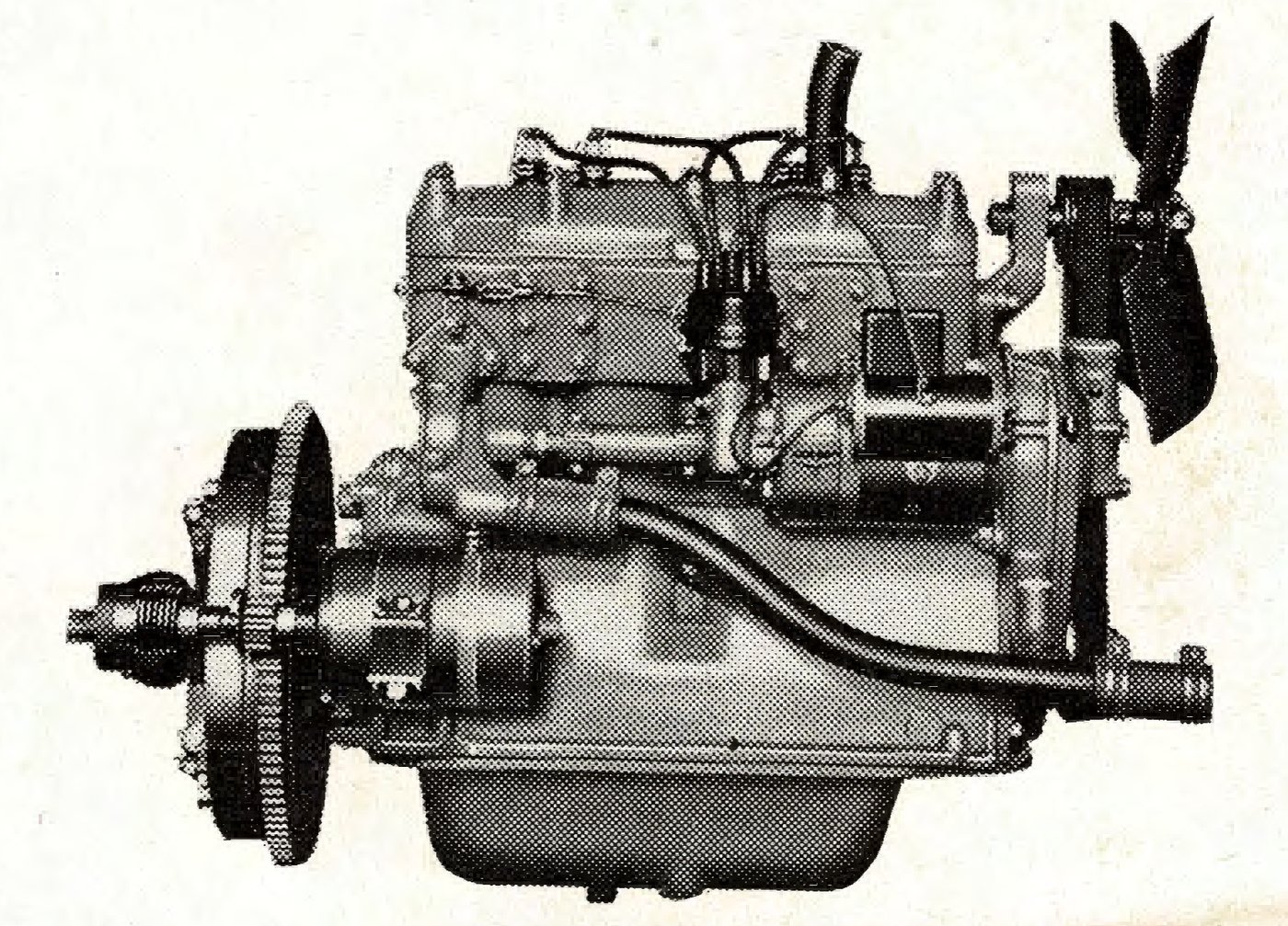
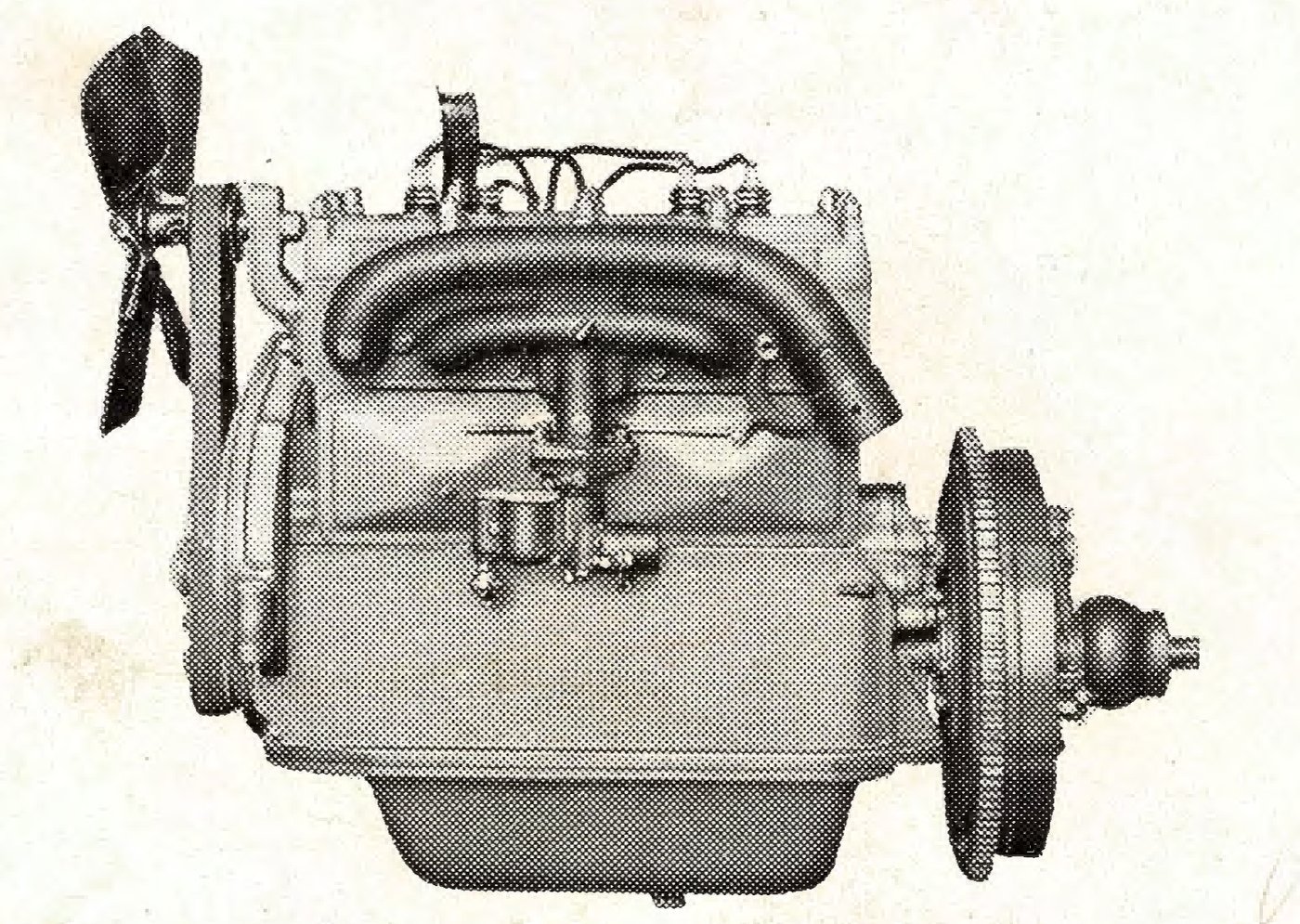
The Improved Star Four motor, from page F-14 of the October 1926 Star catalog: “This 30-brake horsepower motor has full force feed lubrication to all main, camshaft, and connecting rod bearings, honed cylinders, silent chain front end drive and other improvements that make it the highest quality, most powerful motor of any low-priced four-cylinder car.”
Related pages
- 1927+ Star photo gallery of members’ cars
- Star sales literature and manuals
- Known Star cars
- All Star models
Sources: Durant Family Registry, Durant’s Standard, vol. 4 no. 4; Original Star literature A-27-206-4; Star catalog, October 1926, p. F-14.